Electronic Products Injection Mold
What is Electronic Products Injection Mold
Injection molding finds application in the manufacture of electronic parts and products for a variety of industries, such as aerospace, appliances, automotive, communications, construction, and military and defense. Some typical end uses of injection molded electronics include: Computers. Electronic connectors. ...


Benefits of Electronic Products Injection Mold
Protection for the electronic and use
Plastic prevents harmful elements such as heat and water from damaging the electronic and provides insulation. The plastic casting also stops electric currents from leaving the device.
Durable and lightweight
Plastic offers the best of both worlds to protect electronics. As many of today's electronics become smaller and smaller, plastic provides a smooth casting for iPhones and laptops.
Minimum waste due to molds
Plastic injection molding eliminates the need to cut off excess material. The less material used, the less expensive the product.
Design versatility
The possibilities of the shape a mold can be made into are endless. Plastics also allow for the piece of protection to be one piece which is stronger than having multiple, smaller pieces put together.
Fast turn around times
Molds allow mass production of electronic protection parts. Without this, we wouldn't have the larger scale electronics we have today.
Why Choose Us
Competitive price
We offer our products at competitive prices making them affordable to our customers. We believe high-quality products should not come at a premium, and we strive to make our products accessible to everyone.
Experience
Having a long-standing reputation within the industry sets it apart from its competitors. With years of experience, they have developed the skills needed to meet their client's needs.
Quality assurance
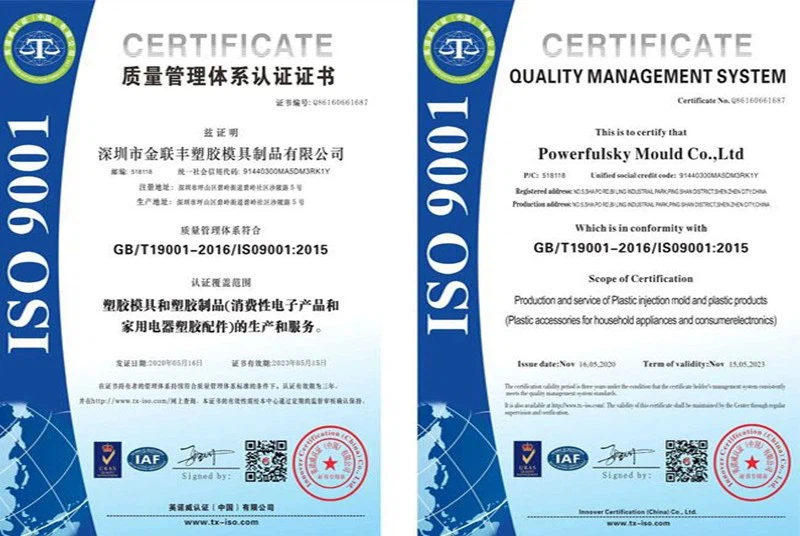
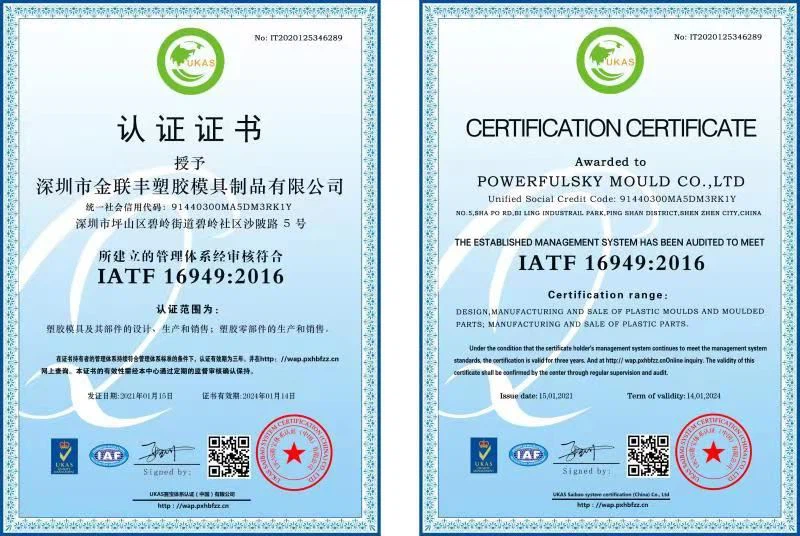
In terms of quality assurance, the company strictly follows the standards and specifications of the industry quality system. Use industry-leading testing equipment to ensure product quality and good reputation.
High quality product
We always put the needs and expectations of our customers first, strive for excellence, continue to improve, seek every opportunity to do better, provide customers with the high-quality products they expect, and provide customers with the most satisfactory services at any time.
Advanced equipment
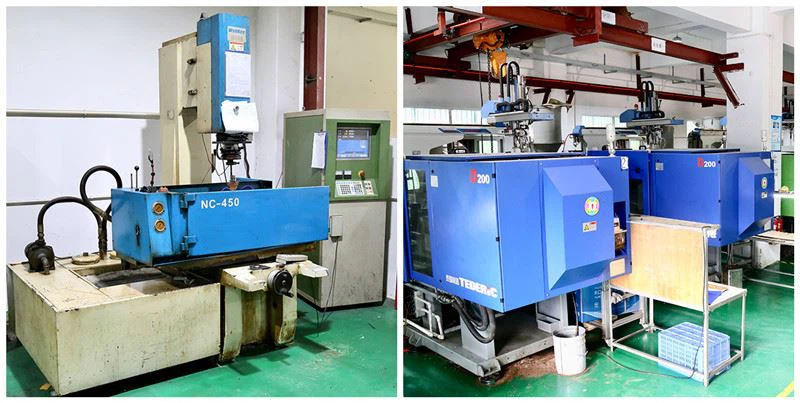
We take strong measures to ensure that we use the highest quality equipment in the industry and that our equipment is regularly and meticulously maintained.
Professional team
We have a team of highly skilled and experienced professionals who are well-versed in the latest technologies and industry standards. Our team is dedicated to ensuring our customers receive the best service and support.
How Does the Electronics Plastic Mold Manufacturing Process Work
The process begins with mold design. Engineers and designers create detailed 3D models of the mold, considering the specific shape, size, and features required for the electronic component to be produced. The design also includes considerations for the injection molding machine' s capabilities, cooling channels, and ejection mechanisms.The appropriate plastic material is chosen based on the desired characteristics of the electronic component, such as strength, heat resistance, electrical conductivity, and surface finish.Once the mold design is finalized, the fabrication process begins. The mold is typically made from high-quality steel or aluminum using computer-aided manufacturing (CAM) techniques, including CNC machining and electrical discharge machining (EDM).The various components of the mold, including the cavity and core, are carefully assembled and secured to create the negative space needed to shape the plastic material into the electronic component' s form.
Before the mold is put into production, it undergoes rigorous testing to ensure it functions properly. This may include trial runs with the injection molding machine to check for any defects, issues with flow, or dimensional inaccuracies. With the mold ready for production, the actual injection molding process begins. Plastic resin pellets are fed into an injection molding machine' s heated barrel, where they are melted into a viscous liquid.The molten plastic material is injected into the electronics plastic mold' s cavity under high pressure. The plastic material fills the mold' s negative space, taking the shape of the electronic component to be produced. After the mold is filled, it is cooled to solidify the plastic material. The cooling time is carefully controlled to ensure proper solidification and minimize cycle times.
Once the plastic has solidified, the mold is opened, and the finished electronic component is ejected from the mold. This is usually done using ejector pins or other mechanical mechanisms. The produced electronic components may undergo additional post-processing steps, such as trimming excess flash from the molded parts or adding surface finishes. The final electronic components are subjected to rigorous quality control checks to ensure they meet the required specifications for size, shape, and surface finish. The electronics plastic mold is designed for repeated use, allowing for high-volume production of electronic components with consistent quality.
Tool & Mold Solutions for the Electronics Industry
Precision Machining
We deliver superior tool and mold solutions tailored to the rapidly evolving electronics industry. From components for everyday devices to parts for sophisticated technological systems, our cutting-edge tools and molds support the creation of innovative electronic products that shape the future in electronics manufacturing.
Precision Tools and Molds for the Electronics Industry
In an industry where precision is paramount, Stands out as a trusted partner. Our expert team of tool designers and mold makers, using our Design for Manufacturing (DFM) process and thorough Failure Mode Effect Analysis (FMEA), crafts tools and molds with the utmost accuracy. This attention to detail and rigorous adherence to standards ensures that your electronic products are created with the exactness they require.
Leading-Edge Technology for Electronics Tooling and Molding
Harnesses the power of advanced technologies to deliver high-quality solutions for the electronics industry. Our use of state-of-the-art technologies such as advanced mold flow analysis and conformal cooling allows us to provide efficient and effective mold and tool solutions, meeting the challenging demands of electronics manufacturing.
Quality Assurance and Continuous Improvement
Quality and reliability are critical in the electronics industry. Our robust quality assurance system ensures that we consistently meet these high standards. Additionally, our commitment to continuous process improvement helps us reduce cycle times and enhance efficiency, delivering faster and more cost-effective tool and mold solutions.
Why Use Plastic Injection Molding for Electronics
While the initial investment cost for building a plastic injection mold can be high, the costs for materials are typically much lower when compared to other manufacturing methods. The process is especially cost effective for high volume production orders. From part to part and between production runs, the injection molding process produces high volume repeatability. Using plastics for injection molding operations opens up a wealth of material options to industry professionals. The injection molding process accommodates a wide range of plastics of varying formulations, colors, and finishes to suit different part and production needs, including flexible vs. rigid, conductive vs. non-conductive, watertight, UV resistant, and more.
Here we bring together factories that provide manufacturing systems and machinery for processing industries including, but not limited to: plastic injection molding, plastic products, plastic injection moulds. Here we will show you some of the processing equipment such as electronic product molds provided by our reliable suppliers and manufacturers. We will make every effort to let every buyer know about this highly competitive industry and factory and its latest trends. Whether you are purchasing as a group or as an individual, we will provide you with the latest technology and comprehensive data on Chinese suppliers, such as electronic product mold factory lists, to improve your purchasing performance in the manufacturing processing machinery business line.

Role Of Injection Molding In Consumer Electronics
Seamless enclosures protect interior components while enabling curvaceous designs. Multi-shot molding combines hard and soft-touch polymers. Buttons, knobs, sockets, clips and other functional parts integrate into the housing mold. Insert molding adds metal or plastic inserts. Clear plastic cover windows safeguard displays and cameras. Light pipes and diffusers enhance visibility. Foam molding makes rigid, impact-resistant carrying cases lined with insulating foam. Multi-shot molding combines flexible insulation and rigid fittings in a single part. Overmolding coats connectors and cables. Heat dissipating and radiation blocking enclosures leverage thermally conductive resins. Pad and laser printing, plating, painting and other methods add decorative finishes. Molded-in logos, patterns and styling features help define brand identity. Injection molding fuses electronics functionality with exterior aesthetics for a seamless user experience. Production automation drives costs down even as devices gain new capabilities.
You can directly contact mold manufacturers that specialize in producing electronics plastic molds. Many mold manufacturers offer customized solutions and can design and fabricate molds based on your specific requirements. Some companies specialize in supplying a wide range of plastic molds, including those for electronics production. These suppliers may have standard mold designs readily available or can customize molds based on your needs. Various online marketplaces, such as Alibaba, Global Sources, and Made-in-China, feature listings from mold manufacturers and suppliers around the world. These platforms allow you to explore a wide range of options and compare prices and services. Attend industry-specific trade shows and exhibitions related to mold manufacturing and plastics. These events offer opportunities to meet mold manufacturers and suppliers in person, discuss your requirements, and see sample products. Seek recommendations from industry peers, colleagues, or other professionals in the electronics manufacturing field. They may provide valuable insights on reputable mold manufacturers or suppliers they have worked with in the past. Utilize online directories and databases that provide information about mold manufacturers and suppliers in your region or globally. Examples include Thomasnet, MFG.com, and Mouldnet. Check with local mold manufacturers or plastic suppliers in your area. Working with local suppliers can simplify communication, reduce shipping times, and offer opportunities for collaboration.

Choosing a Electronic Products Mould can be a challenging task, but there are a few key factors that you can consider to help make an informed decision when evaluating Electronic Products Mould for purchase. Including Type, Material, Function, Purpose and Use, Maintenance and Support, Budget and so on.
According to the functions or purposes of Electronic Products Mould, Electronic Products Mould can be classified into many types. The specific type of Electronic Products Mould used will depend on the requirements of the production process and the type of product being produced. Be honest about your volume and choose the Electronic Products Mould that is designed for the needs of your business.
Our Factory
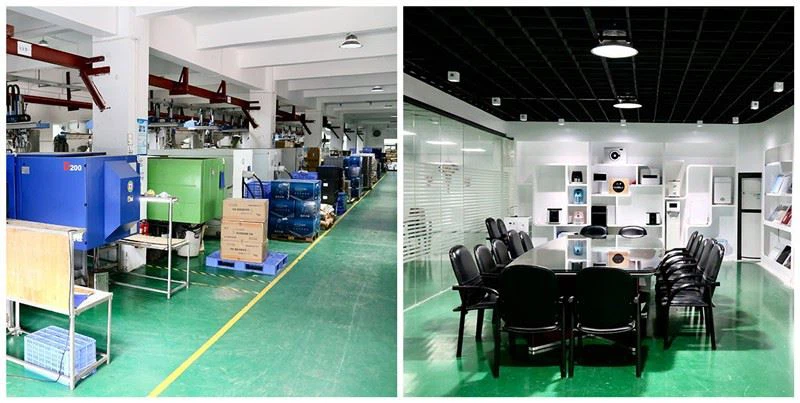
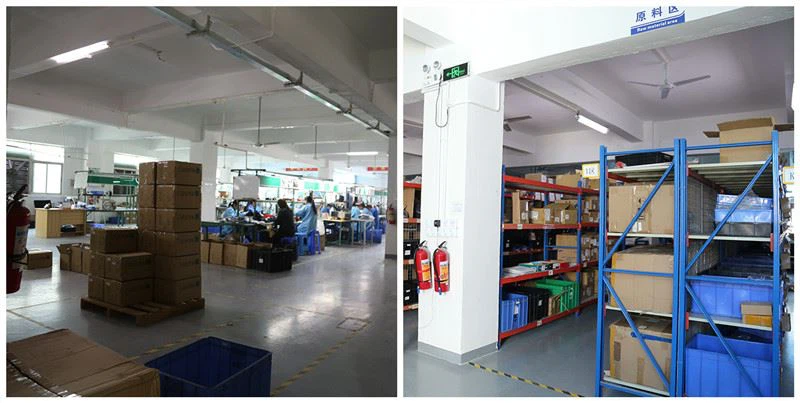
As the premier injection moulding company,we are experts in the design and manufacture of precision injection mould tooling and molded customized plastic parts. Providing solutions right from initial design and development through to manufacture for new product. Powerfulsky Mould was established in 2001,located Shen Zhen,China,has its own factory of 9000 square meters,that offers precision injection molding and packaged in-house product from start to finish.

Certifications