Toys Products Injection Mold
What is Toys Products Injection Mold
Plastic Injection Moulds for all types of Plastic Toys. Injection molding is a method to obtain molded products by injecting plastic materials molten by heat into a mold, and then cooling and solidifying them.


Benefits of Toys Products Injection Mold
Design Freedom
Injection molding offers tremendous design flexibility, allowing toy manufacturers to create intricate shapes, textures, and details.From action figures to puzzle pieces, injection molding can bring even the most complex toy designs to life.
Material Flexibility
Several types of plastic materials, such as polyethylene (PE), polypropylene (PP), acrylonitrile butadiene styrene (ABS), and polycarbonate (PC), can be utilized in injection moulding. These materials offer different properties such as durability, flexibility, and transparency, ensuring the right material is chosen for each toy's specific requirements.
Cost-Effectiveness
Injection molding is a cost-effective method for producing toys in large volumes. Once the plastic toy mould is made, the manufacturing procedure becomes incredibly efficient, cutting down on labor expenses and material waste. Toy producers can more effectively meet consumer demand when they can produce toys quickly.
Strength and Durability
Toys manufactured through injection molding are known for their strength and durability. The process ensures uniformity in thickness and structural integrity, resulting in toys that can withstand the rigors of playtime and last longer.
Time Efficiency
Because each cycle only takes a few seconds or minutes, injection moulding enables quick production cycles. This quick turnaround time ensures that toys can be produced and delivered to market promptly, meeting consumer demands and staying ahead of trends.
Why Choose Us
Competitive price
We offer our products at competitive prices making them affordable to our customers. We believe high-quality products should not come at a premium, and we strive to make our products accessible to everyone.
Experience
Having a long-standing reputation within the industry sets it apart from its competitors. With years of experience, they have developed the skills needed to meet their client's needs.
Quality assurance
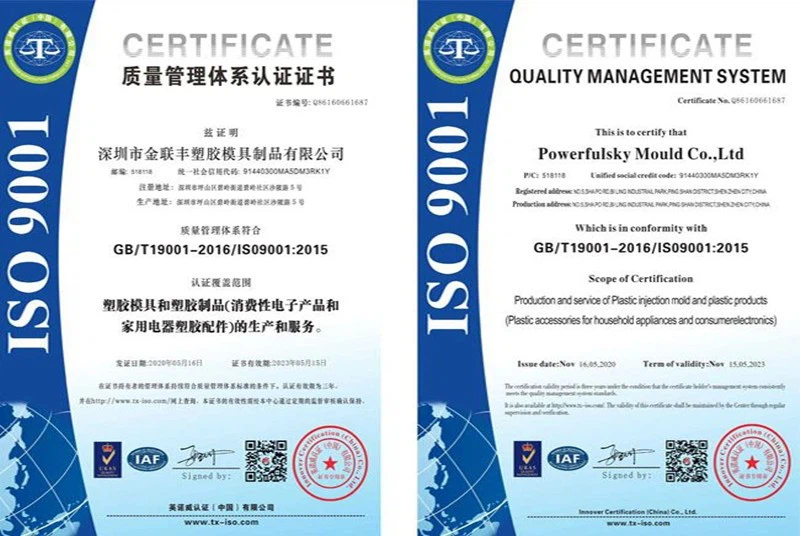
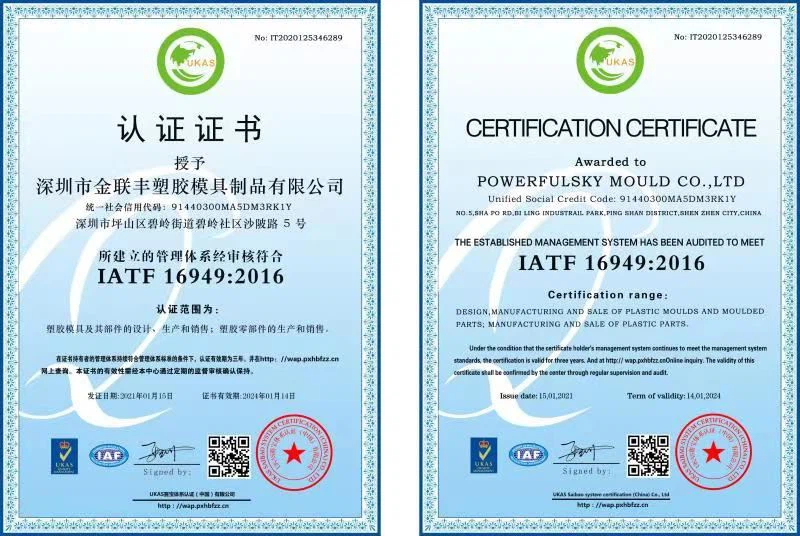
In terms of quality assurance, the company strictly follows the standards and specifications of the industry quality system. Use industry-leading testing equipment to ensure product quality and good reputation.
High quality product
We always put the needs and expectations of our customers first, strive for excellence, continue to improve, seek every opportunity to do better, provide customers with the high-quality products they expect, and provide customers with the most satisfactory services at any time.
Advanced equipment
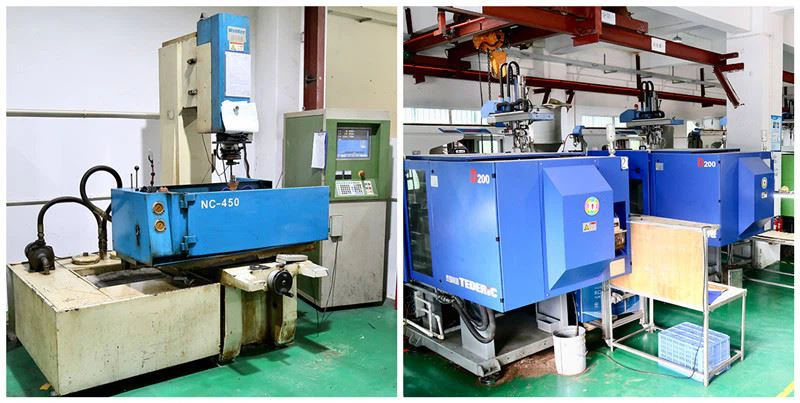
We take strong measures to ensure that we use the highest quality equipment in the industry and that our equipment is regularly and meticulously maintained.
Professional team
We have a team of highly skilled and experienced professionals who are well-versed in the latest technologies and industry standards. Our team is dedicated to ensuring our customers receive the best service and support.
Toy molds are more varied, complex, and mixed than other types of molds. It comprises both plastic and metal toy molds. In this article, we will discuss the different types of plastic toys, materials used in plastic toy production, things to consider when designing plastic toys and how to make plastic toys yourself.
How Can You Design Injection Molds for Toys and Games That Meet Safety Standards
Choose the right material
The material you choose for your injection mold will affect the quality, durability, and safety of your toy or game. You need to choose materials that are suitable for the intended use, age group and function of the product and comply with regulations. Some of the most common materials used for injection molded toys and games are polypropylene (PP), polyethylene (PE), polystyrene (PS), acrylonitrile butadiene styrene (ABS), and polyvinyl chloride (PVC). Each of these materials has its own advantages and disadvantages, such as strength, flexibility, transparency, colorability, and cost. You'll also want to consider the environmental impact of your materials and choose recyclable or biodegradable options whenever possible.
Optimize design
When you design an injection mold, you need to optimize it to ensure it meets safety standards as well as your customer's aesthetic and functional expectations. You should avoid sharp edges, points or corners that could cause injuries or cuts. Minimize the number of small parts or removable components that could pose a choking hazard or be swallowed. Make sure walls, ribs and bosses are thick enough to withstand pressure and prevent cracking or deformation. Provide adequate ventilation and cooling channels to prevent air pockets, sink marks, or warping. Use appropriate draft angles and ejector pins to facilitate ejection of the molded part from the mold cavity. Finally, add safety features such as warning labels, instructions or symbols to the molded parts.
Verify
The final step in designing injection molds for toys and games is to test and verify that they meet safety and quality standards. You need to conduct various tests on your molded parts, such as mechanical, chemical and flammability tests, to ensure that they comply with regulations and do not pose any risk to users. You'll also want to check the dimensional accuracy, surface finish, and functionality of your molded parts and compare them to design specifications and customer feedback. If you find any defects or issues, you will need to modify your design and make the necessary adjustments to the injection mold. Designing injection molds for toys and games that meet safety standards is a challenging but rewarding task as you create products that are fun, attractive and safe for children. By following these steps, you can ensure that your injection mold design is compliant, efficient, and effective.
What Materials Are Commonly Used in Toy Injection Molds
Steel
Steel is a robust and durable material commonly used for high-volume production and complex toy designs. There are different types of steel used for molds.
P20 (Pre-hardened Steel): P20 is a general-purpose pre-hardened steel with good toughness and machinability. It is often used for molds that require medium to high production volumes.
H13 (Hot Work Tool Steel): H13 is a high-performance steel with excellent heat resistance and wear resistance. It is suitable for molds used in high-temperature and high-production applications.
S136 (Stainless Steel): S136 is a corrosion-resistant stainless steel often used for molds requiring high polishability and good surface finish.
Aluminum Alloys
Aluminum molds are a cost-effective option for lower production volumes or simpler toy designs. Aluminum molds have faster cooling times, allowing for shorter cycle times, but they are not as durable as steel and may require more frequent maintenance.
The selection of the mold material depends on the toy manufacturer' s specific needs, production volume, budget, and the expected lifespan of the mold. For high-volume production and complex toy designs, steel molds are preferred due to their durability and ability to withstand the demands of continuous production. For low to medium production volumes or prototypes, aluminum molds offer a more cost-effective solution.

The initial stage involves designing the mold based on the toy' s 3D CAD model. This process can take a few days to a couple of weeks, depending on the complexity of the design and the efficiency of the design team. The actual fabrication of the mold components using precision machining techniques, such as CNC milling or EDM, can take several weeks. The time required depends on the intricacy of the mold and the complexity of the toy design. Once the individual components of the mold are fabricated, they are assembled into the final mold structure. After assembly, the mold undergoes testing and adjustments to ensure proper functionality and fit. This stage can take a few days to a week or more, depending on the mold' s complexity. The mold surfaces need to be polished to achieve the desired smoothness and texture in the final toy parts. The time required for finishing depends on the level of polishing needed and can take a few days to a week. Before mass production begins, trial runs are conducted to test the mold' s performance and the quality of the toy parts produced. This stage may involve making adjustments to optimize the mold' s performance, which can take a few days to a couple of weeks. Once the mold has been fully tested and refined, it is ready for full-scale production. The time to reach this stage varies depending on the complexity of the mold and the number of iterations needed during testing.
Key Considerations in Manufacturing Toy Injection Molds
Precision in Appearance
The design and appearance of plastic toys are crucial. Molds must replicate every detail of the design accurately to ensure that the final product faithfully conveys the original design's style. Even slight deviations in dimensions can alter the overall appearance, making precision in critical areas of the mold essential.
Balancing Precision and Cost
While ensuring dimensional accuracy and crucial details, cost control is also a vital factor. Optimization in the choice of processing equipment and techniques is necessary to achieve the best balance between cost and precision.
Cooling System Design
Given the mass production nature of plastic toys, the design of the mold's cooling system is especially important. Uneven cooling can lead to warping or shrinkage of the product, so a well-designed cooling system is crucial for maintaining product quality and improving production efficiency.
Use of Family Molds
To reduce costs, the use of composite molds has become increasingly common. For instance, a toy pen composed of multiple parts can be produced using a single composite mold, with robotic arms used for automated production, significantly reducing production costs.
Choice of Mold Steel
Common toy parts do not require high-temperature materials or fiberglass-reinforced materials, so the requirements for mold materials are relatively lower. Materials like P20, 718H, and NAK80 are often used for standard toy molds. However, for toys with higher aesthetic demands, higher-grade mold materials such as S136(H), 2083, 420, PAK90, etc., are needed to ensure a high-quality appearance of the products.
Intricate and complex toy designs may require more intricate molds and potentially longer production times, leading to higher costs. The cost of creating the injection mold is a significant factor. High-quality molds made of steel tend to be more expensive than aluminum molds, but they also offer greater durability and longevity. The choice of plastic material for the toys will impact the cost. Some materials are more expensive than others, but they may offer specific properties necessary for the toy's functionality and safety. The number of toys to be produced affects the overall cost. Higher production volumes can spread the fixed costs of mold fabrication and machine setup across more units, reducing the cost per toy. Efficient use of the injection molding equipment and optimized production processes can help lower the overall manufacturing cost. Labor costs in the manufacturing location will influence the overall cost of production. If the toys require additional finishing steps or assembly after injection molding, such as painting, decals, or adding additional parts, these steps will add to the overall cost. Meeting specific quality and safety standards may involve additional testing and certification expenses.

Injection Molding
Injection molding is a technique for producing high-quality three-dimensional items that can be mass-produced. High volume injection molding production necessitates Class 101 molds, a hot nozzle, and an automated production design to save molding costs. If you opt to use recycled plastic material, be mindful of the density and strength it may affect. Toy parts must always have a colorful look; thus, the color powder mix ratio and injection molding manufacturers must set parameters, the color of each batch part will deviate beyond acceptable limits.
Rotational Molding
Rotational molding is used to make toys, transport drums, storage tanks, and consumer furniture. Each piece is created by covering a mold from the inside out. Between two mechanical arms, a mold is kept in position. The arms then continuously spin the mold at the same level as molten plastic is put inside. The plastic coats the interior of the mold as it rotates, creating a new hollow, plastic item.
Our Factory
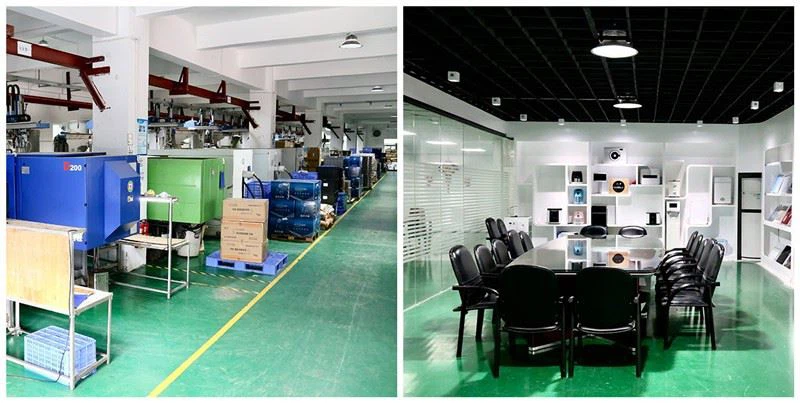
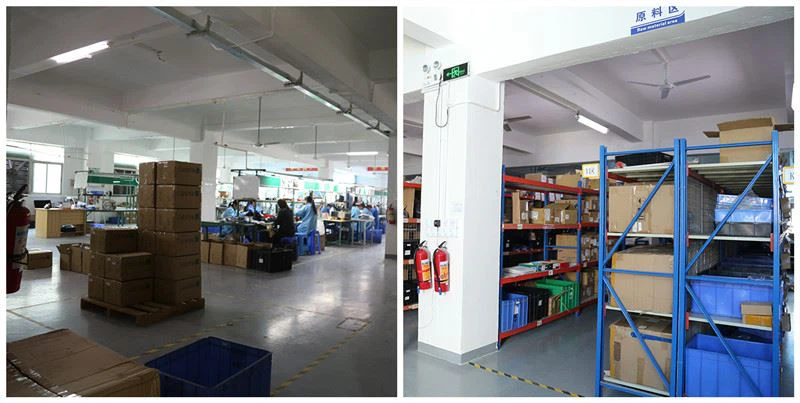
As the premier injection moulding company,we are experts in the design and manufacture of precision injection mould tooling and molded customized plastic parts. Providing solutions right from initial design and development through to manufacture for new product. Powerfulsky Mould was established in 2001,located Shen Zhen,China,has its own factory of 9000 square meters,that offers precision injection molding and packaged in-house product from start to finish.

Certifications