Rubber Mold
What is Rubber Mold
Rubber molding is a process of transforming uncured rubber or an elastomer into a usable product by transferring, compressing, or injecting raw rubber material into a metal mold cavity. The most common methods for rubber molding are injection, compression, and transfer.


Benefits of Rubber Mold
Versatility
The most important advantage is the versatility of rubber injection molding. They specialize in replicating complex patterns and delicate components to meet the needs of various industries. Automakers might use them to make precise engine parts, while culinary businesses might use them to shape unique silicone cutlery.
Durability
The robustness of rubber molds is another significant advantage. Their wear resistance allows repeated use without distortion or quality. For example, in the toy manufacturing industry, a single silicone mold can be used to produce thousands of identical high-quality action figures, resulting in significant cost savings over time.
Flexibility
The flexibility of rubber molds helps to easily demold complex or delicate designs without causing damage. For example, jewelry manufacturers can create detailed, fragile designs into their products knowing that each piece will come out of the mold intact.
Heat resistance
Many production processes involve heat, and rubber molds can withstand that heat. For example, in the electronics industry, these molds can withstand high temperatures during processes such as cable assembly overmolding, ensuring operational safety and efficiency.
Compatibility
Rubber molds are available in a variety of materials, including liquid silicone rubber and polyurethane. This compatibility allows businesses to choose the material that best meets their specific needs.
Why Choose Us
Competitive price
We offer our products at competitive prices making them affordable to our customers. We believe high-quality products should not come at a premium, and we strive to make our products accessible to everyone.
Experience
Having a long-standing reputation within the industry sets it apart from its competitors. With years of experience, they have developed the skills needed to meet their client's needs.
Quality assurance
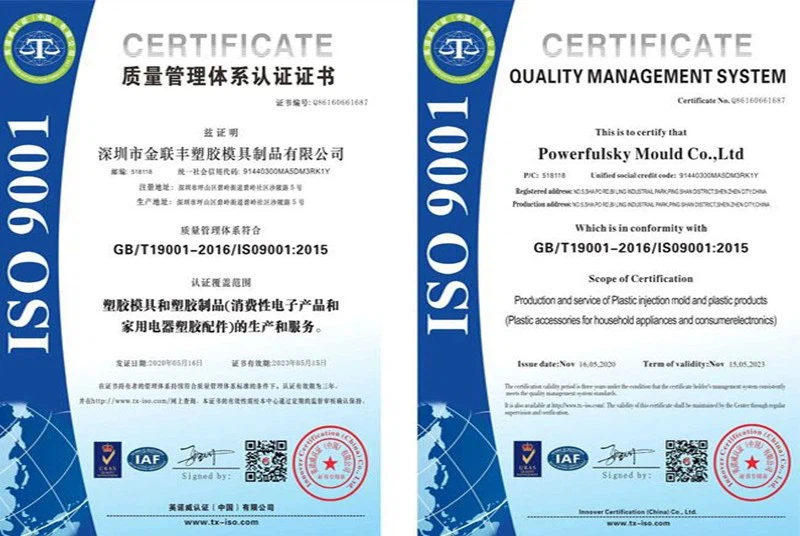
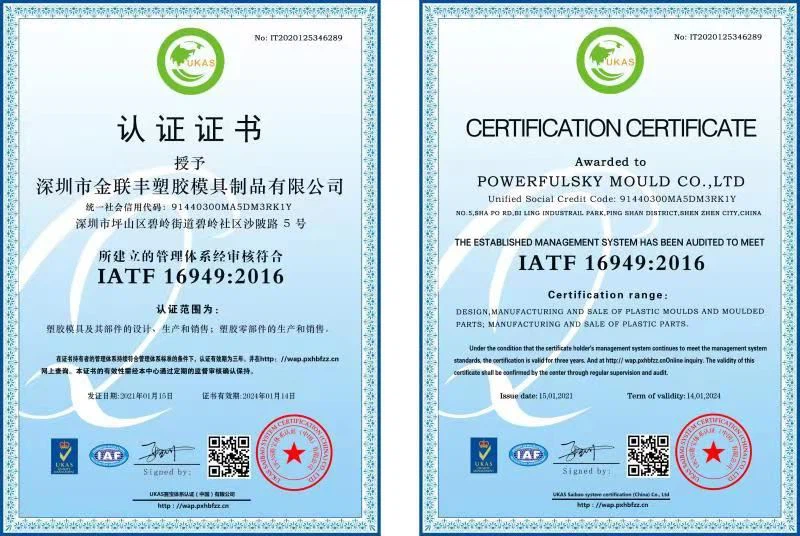
In terms of quality assurance, the company strictly follows the standards and specifications of the industry quality system. Use industry-leading testing equipment to ensure product quality and good reputation.
High quality product
We always put the needs and expectations of our customers first, strive for excellence, continue to improve, seek every opportunity to do better, provide customers with the high-quality products they expect, and provide customers with the most satisfactory services at any time.
Advanced equipment
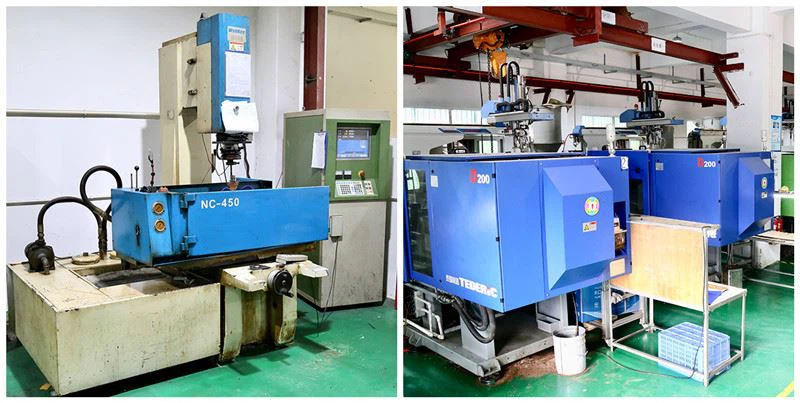
We take strong measures to ensure that we use the highest quality equipment in the industry and that our equipment is regularly and meticulously maintained.
Professional team
We have a team of highly skilled and experienced professionals who are well-versed in the latest technologies and industry standards. Our team is dedicated to ensuring our customers receive the best service and support.
Rubber Mold Design
Different rubber compounds have varying properties, such as hardness, elasticity, and chemical resistance. Select a rubber material that suits the intended application and environmental conditions. The part design influences mold design. Consider factors like draft angles, wall thickness, and undercuts. Draft angles are essential to facilitate easy part ejection from the mold. Determine the type and location of gates (entry points for rubber into the mold cavity) and runners (channels that guide rubber flow). The gate size, shape, and placement affect flow, pressure, and part quality. Adequate venting is crucial to allow air and gases to escape during molding. Proper venting prevents defects like trapped air, incomplete filling, and surface imperfections. Define the parting line where the mold halves separate. Ensure the mold is robust and accurately machined to ensure proper alignment and prevent flash or parting line mismatch. Arrange cavities within the mold to optimize material flow and minimize cycle times. Proper cavity layout helps ensure consistent part quality across the mold. Efficient cooling is vital to control curing and reduce cycle times. Design cooling channels for even temperature distribution and consider conformal cooling for complex geometries Plan the ejection system, which can include ejector pins, sleeves, or other mechanisms. The ejection system should smoothly remove parts from the mold without damaging them. Select appropriate mold release agents to prevent rubber from sticking to the mold surfaces. The choice of release agent depends on the rubber compound being used.Tolerances and Shrinkage: Account for rubber’s material-specific shrinkage during the curing process. Design molds with appropriate tolerances to achieve the desired part dimensions after curing.In some cases, molds may need to be heated to facilitate rubber flow and curing. Design heating systems if required. Conduct simulations or analyses to predict material flow within the mold. This helps identify potential issues like air traps, flow imbalances, and areas of high stress. Consider ease of maintenance and repair. Design mold components that can be readily accessed and replaced if needed Choose an appropriate surface finish for the mold cavity to achieve the desired part appearance. The surface finish can also impact rubber flow and part release Design features to aid in part removal, such as puller pins, grippers, or robotic handling Prototype the mold design and produce sample parts to validate its functionality. Iterate the design as needed based on testing results Ensure the mold design adheres to safety guidelines and regulations for the specific manufacturing environment.
Rubber Mold Manufacturing
Compression molding
Rubber compression molding is done by placing the uncured rubber into a heated mold, which is closed by using hydraulic pressure. The rubber is kept inside the cavity until it takes its final shape.
Injection molding
Rubber injection molding is done by injecting the rubber into the mold. It stays there for a specific amount of time until it acquires the desired shape. Many rubber moulding manufacturers use this process to create custom products.
Transfer molding
Under transfer molding, a measured amount of uncured rubber is loaded into the transfer pot. The ram is then closed, pushing the rubber through the runner into the part cavity. The rubber is heated for a set amount of time to cure rubber to its final shape.
Clean the mold cavity with a sponge and soapy water and let dry.Cast plaster into the mold and let dry. Do not demold. You will be storing the mold with the plaster casting in it to help maintain dimensional stability. Important: Do not use a urethane resin or epoxy for this step.If possible, place the mold with the casting in it in a black plastic garbage bag and seal tightly.Place on a flat level surface. Note: We have heard from customers who have inadvertently stored their molds with objects under them, causing the mold to permanently distort.Store in a cool, dry environment out of ultraviolet light.
The first regularly maintained mold wear curve exists in every mold. Mold repair is a kind of abnormal wear in the realization field, and the amount of stamping processing during this period is easy to grasp. When the processing quantity is met, the mold is maintained. The maintenance plan is not only easy to learn the maintenance items, but also easy to control the maintenance time. Improved maintenance In order to extend the life of the mold, provide stable quality, and facilitate maintenance, the special mold maintenance of some molds has been improved. Routine maintenance refers to normal rubber mold cleaning, inspection, oil removal, etc. This work is usually done to confirm that the mold is in normal condition and that abnormalities can be detected early. There will be some changes in the processing of rubber molds repaired in accident conditions, and the country cannot continue to use them. For example, burrs become larger, dimensions are wrong, such as scars, mold parts are burned, etc. Because similar abnormalities start the repair and maintenance of the mold, it is called an accident. This kind of maintenance is usually used to the limit. If the cost of rubber mold maintenance is more important, the life of the mold will be very short. Because this is a sudden maintenance, there must be a planned shutdown of the equipment and emergency repairs performed.

Materials Used In The Process Of Rubber Mold Manufacturing
Foam rubber
Foam rubber is made by foaming agents which makes the rubber air-filled and flexible. Sometimes foam rubber is made with a different variety of rubbers but most commonly it is made from polyurethane. Foam rubber can be pulled, pushed, stretched, and scrunched without any damage.
Many rubber molded products manufacturers produce foam rubber in two main types- open-cell foam rubber and closed-cell foam rubber. Open-cell foam rubber is used to make automotive seat padding and padding for pillows and mattresses. Whereas, closed-cell foam rubber is used to make knee pads, elbow pads, gloves, etc.
Silicone rubber
Silicone rubber is synthetic rubber made up of hydrogen, oxygen, and carbon. They come in two forms liquid and solid. Both forms are highly heat-resistant and stay stable when exposed to high temperatures and that is why they are used to make highly graded rubber products.
Due to its heat-resistant capabilities, it is highly preferred in metal casting. When uncured, silicone is extremely sticky and gel-like. It should be cured, vulcanized, and catalyzed to become a solid.
EPDM
EPDM (ethylene propylene diene monomer) is a type of synthetic rubber with a lot of premium qualities. It is known to have excellent resistance to steam, heat, and extreme weather. It also provides electrical resistance making it ideal for industries like automotive manufacturing and building construction.
How to Choose the Right Rubber Mold and Compounding for Your Project
Material
The first thing to decide is what type of rubber material you want to use for your project. There are many types of rubber available, such as natural rubber, synthetic rubber, silicone rubber, and thermoplastic rubber.
Each type has its own advantages and disadvantages, depending on the application and environment. For example, natural rubber has excellent elasticity and resilience but is not resistant to oil, heat, or ozone.
Synthetic rubber can be tailored to have specific properties, such as abrasion resistance, chemical resistance, or flame retardance. Silicone rubber has high-temperature stability and a low compression set, but it is not suitable for dynamic applications.
Thermoplastic rubber has the characteristics of both rubber and plastic, such as flexibility and recyclability.
Design
The next thing to consider is the design of your rubber part. You need to determine the shape, size, tolerance, and surface finish of your part. You also need to consider the function and performance requirements of your part, such as load, stress, strain, temperature, pressure, and friction.
These factors will affect the choice of the rubber mold and compounding. For example, if you need a complex shape or a tight tolerance, you may need a high-precision mold that can capture every detail.
If you need a high-strength or high-temperature part, you may need a high-performance compound that can withstand harsh conditions.
Process
The last thing to consider is the process of rubber molding and compounding. Different methods of rubber molding and compounding are available, such as compression molding, injection molding, transfer molding, extrusion molding, and calendaring.
Each method has its own advantages and disadvantages, depending on the cost, speed, quality, and waste of production. For example, compression molding is a simple and low-cost method that can produce large parts with low waste.
However, it is slow and requires a lot of labor. Injection molding is a fast and automated method that can produce complex parts with high quality. However, it is expensive and requires a lot of material.

Many custom rubber products are made through the process of rubber mold manufacturing. Such as rubber seals, rubber diaphragms, rubber grommets, rubber bushings, rubber washers, and rubber sheets.Many manufacturing machines have extremely vibrating parts, these washers and bushings are installed to absorb these vibrations in order to protect the people operating them.Many rubber part suppliers install rubber sheets under machinery to prevent excessive vibrations and to improve the overall working conditions of the machine.
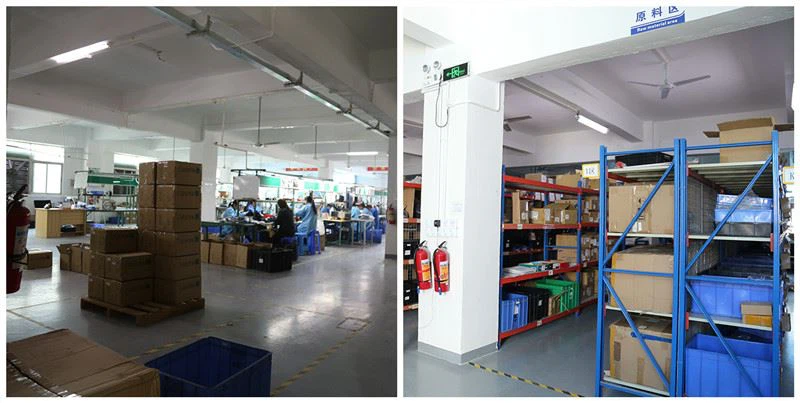
Our Factory
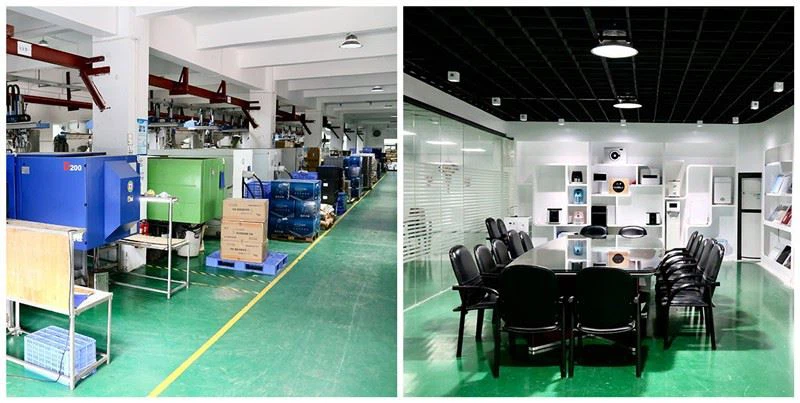
As the premier injection moulding company,we are experts in the design and manufacture of precision injection mould tooling and molded customized plastic parts. Providing solutions right from initial design and development through to manufacture for new product. Powerfulsky Mould was established in 2001,located Shen Zhen,China,has its own factory of 9000 square meters,that offers precision injection molding and packaged in-house product from start to finish.

Certifications