Auto Injection Mold
What is Auto Injection Mold
An automotive injection mold is a specialized tool used to manufacture plastic components for vehicles. It's designed to produce various parts like interior trim, body panels, and dashboard elements through the injection molding process. These molds are made with precision from durable materials to meet the automotive industry's strict standards. They enable efficient mass production of high-quality automotive parts, contributing to the manufacturing of reliable and aesthetically pleasing vehicles.




Benefits of Auto Injection Mold
Faster Production
In most cases, injection molded parts can be produced in minutes. Properly maintained automated systems can run for long periods of time, resulting in higher unit yields and faster order fulfillment.
Complex Shaped Designs
Injection molding allows for the creation of very detailed and complex parts. Additionally, auto plastic injection mold can be used to create parts with internal cavities, such as engine intake manifolds.
Accuracy and Repeatability
Being able to make the same parts and time again is very important to the automotive industry. Automotive manufacturers choose auto parts plastic injection mold to produce parts that meet extremely tight dimensional tolerances.
Reduced Labor Costs
Automated systems can take care of manual work, allowing plants to take on more orders with fewer workers. Lower direct labor costs and reductions in related expenses ultimately lead to lower overall project costs.
More Sustainable Manufacturing
Since automated machines produce high volumes with low error rates, they generate less waste from scrapped or deformed parts.
Why Choose Us
Competitive price
We offer our products at competitive prices making them affordable to our customers. We believe high-quality products should not come at a premium, and we strive to make our products accessible to everyone.
Experience
Having a long-standing reputation within the industry sets it apart from its competitors. With years of experience, they have developed the skills needed to meet their clients' needs.
Quality assurance
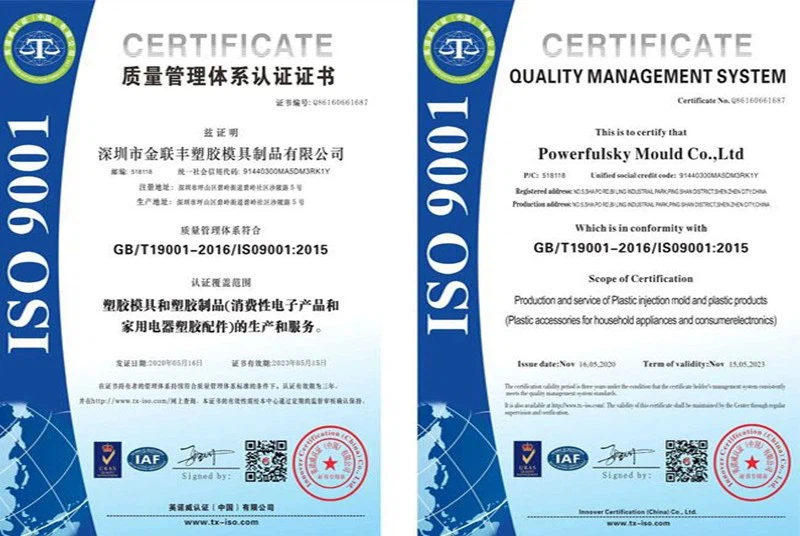
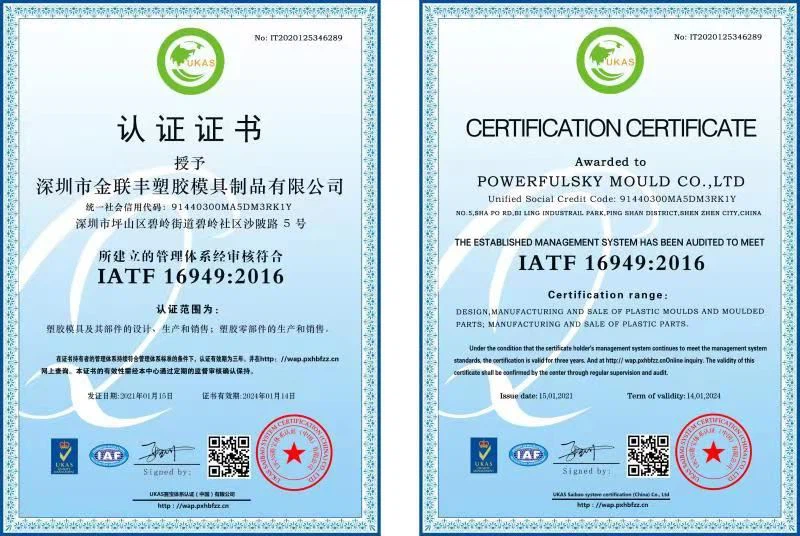
In terms of quality assurance, the company strictly follows the standards and specifications of the industry quality system. Use industry-leading testing equipment to ensure product quality and good reputation.
High quality product
We always put the needs and expectations of our customers first, strive for excellence, continue to improve, seek every opportunity to do better, provide customers with the high-quality products they expect, and provide customers with the most satisfactory services at any time.
Advanced equipment
We take strong measures to ensure that we use the highest quality equipment in the industry and that our equipment is regularly and meticulously maintained.
Professional team
We have a team of highly skilled and experienced professionals who are well-versed in the latest technologies and industry standards. Our team is dedicated to ensuring our customers receive the best service and support.
Automotive Injection Moulding Applications
Interior Components
Manufacturers also produce many automotive interior parts using automotive plastic injection moulding. They include instrumentation components, interior surfaces, dashboard faceplates, door handles, glove compartments, air vents, and more. In addition, they also use injection moulding to produce decorative plastic elements.
Under-the-Hood Components
Over the past two decades or so, manufacturers have transitioned to plastics for many under-the-hood components that were previously made from metal.
Exterior Components
Injection moulding is an established process for many exterior automotive components, including fenders, grilles, bumpers, door panels, floor rails, light housings, and more. Splash guards are a fine example for demonstrating the durability of injection molded parts. In addition, the components, which protect the car from road debris and minimize splashing, are often made from rubber or other durable and flexible materials.
What Are the Types of Automobile Injection Molds
Injection mold
Injection mold is also called injection mold. The molding process of this mold is characterized by placing the plastic raw materials in the heating barrel of the injection machine. The plastic is heated and melted. Driven by the screw or plunger of the injection machine, it enters the mold cavity through the nozzle and the mold's gating system. The plastic is formed in the mold cavity through heat preservation, pressure maintaining, cooling and solidification. Because the heating and pressurizing device can play a role in stages, injection molding can not only form plastic parts with complex shapes, but also has high production efficiency and good quality. Therefore, injection molding occupies a large proportion in plastic parts molding, and injection molds account for more than half of plastic molding molds. The injection machine is mainly used for the molding of thermoplastics, and has gradually been used for the molding of thermosetting plastics in recent years.
Compression mode
Compression die is also called pressing die or rubber pressing die. The molding process of this mold is characterized by that plastic raw materials are directly added to the open mold cavity, and then the mold is closed. After the plastic is melted under heat and pressure, the cavity is filled with a certain pressure. At this time, the molecular structure of the plastic produced a chemical crosslinking reaction, and gradually hardened. Compression mold is mostly used for thermosetting plastics, and its molded plastic parts are mostly used for the shell of electrical switches and daily necessities.
Transfer mode
The transfer mold is also called the pressure injection mold or the extrusion mold. The molding process of this mold is characterized by adding plastic raw materials into the preheated feeding room, and then applying pressure to the plastic raw materials in the feeding room by the pressure column. The plastic melts under high temperature and high pressure and enters the mold cavity through the mold's gating system, and then the chemical crosslinking reaction takes place to gradually solidify and form. The transfer molding process is mostly used for thermosetting plastics, which can form plastic parts with complex shapes.
Extrusion die
Extrusion die is also called extrusion die. The mould can continuously produce plastics with the same section shape, such as plastic pipes, bars, sheets, etc. The heating and pressurizing device of the extruder is the same as that of the injection machine. Molten plastic will form continuous molded plastic parts through the die head, with high production efficiency.

The Automotive injection molding process is well known, offering many benefits to car manufacturers. Let’ s delve into the details of just how this process works. The first step is to create a virtual model of the desired part using CAD software, which is then used to produce a mold for injecting molten material. This material is then injected into the mold at high pressure and cooled until it solidifies. Finally, specialized machines are used to eject and collect the parts, enabling them to be sent for assembly or further finishing processes. With these simple steps, it’s no wonder that automotive injection molding has become such an important asset in creating efficient manufacturing methods.
In the development of the automotive industry, the proportion of plastic parts in automotive parts is very large, and the demand for plastic parts is increasing day by day because plastics have the advantages of beautiful appearance, lightweight and easy processing. Most plastics have a specific gravity of 0.9 to 1.6, and the proportion of glass fiber reinforced composites will not exceed 2.0, while A3 steel is 7.6, brass is 8.4, and aluminum is 2.7. The use of plastic can reduce the weight of parts by about 40%, and the cost can be greatly reduced, which makes plastic the preferred material for automotive light-weighting. Plastic is easy to molding parts with complex shapes. According to the plastic composition of the plastic, by adding different fillers, plasticizers and hardeners to produce the desired properties of the plastic, changing the mechanical strength and processing properties of the material to meet the requirements of different parts of the car. The plastic consumption of each auto part accounts for 20% of the total vehicle materials and may reach 35% in the future. When the auto company develops a new car, it needs to use hundreds of sets of automotive plastic injection molds, which requires the quality assurance of plastic parts in production, and the quality of plastic parts is determined by the mold. Learn more about how to improve the quality of the mold.
How Are Automotive Injection Molds Made
Design
The first step is to create a 3D design of the desired automotive component. This can be done using computer-aided design (CAD) software. The design includes all the necessary details, dimensions, and specifications of the part.
Material selection
The appropriate material for the mold is chosen based on factors such as the type of automotive component, production volume, desired finish, and cost. Common mold materials include steel, aluminum, and various alloys.
Mold base preparation
A mold base is prepared, which serves as the foundation for the mold. It provides support and houses various components like ejector pins, guide pins, and cooling channels. The mold base is usually made from steel and is machined to the required specifications.
Mold cavity creation
The mold cavity is formed by cutting or machining the mold base. This process involves using specialized equipment such as CNC milling machines, electrical discharge machines (EDM), or computer numerical control (CNC) lathes to precisely shape the mold cavity according to the design.
Cooling system installation
Cooling channels or passages are created within the mold to regulate the temperature during the molding process. These channels help in efficient cooling and solidification of the molten material. They are typically created using drills or EDM techniques.
Mold surface treatment
The mold surfaces that come into direct contact with the molten material are treated to enhance durability and release properties. Surface treatments may include polishing, texturing, or applying coatings such as chrome plating or nitriding.
Mold assembly
Various mold components, such as ejector pins, slides, and cores, are installed within the mold base to create a fully functional mold. These components enable the ejection of the molded part from the mold after the molding process.
Testing and adjustments
Once the mold is assembled, it undergoes testing to ensure proper functioning. Adjustments may be made to achieve the desired part quality, dimensions, and fit. This may involve trial runs and iterative modifications to optimize the mold.
Production
After the mold is tested and approved, it is ready for mass production. The mold is mounted onto an injection molding machine, where molten material, such as plastic or metal, is injected into the mold cavity under high pressure. The material then solidifies, conforming to the shape of the mold cavity.
Maintenance
Regular maintenance and cleaning of the mold are essential to ensure its longevity and consistent performance. This includes inspecting and repairing any damage, replacing worn components, and keeping the mold surfaces clean and free from contaminants.
The design of auto molds can be highly complex, especially for parts with intricate shapes or undercuts. Ensuring that the mold can be manufactured and operated effectively requires extensive expertise and advanced design capabilities. Creating auto molds requires specialized tooling and equipment, which can involve considerable upfront costs. Maintaining and repairing these molds also requires skilled technicians and specialized machinery. The design, prototyping, and manufacturing of auto molds can be time-consuming, with lead times varying depending on the complexity of the mold and the manufacturing processes involved. Delays in mold production can impact the overall production schedule of automobiles. As automotive technology evolves, auto molds need to keep pace with new design requirements and material advancements. Mold manufacturers must continuously invest in research and development to stay at the forefront of industry trends.
Our Factory
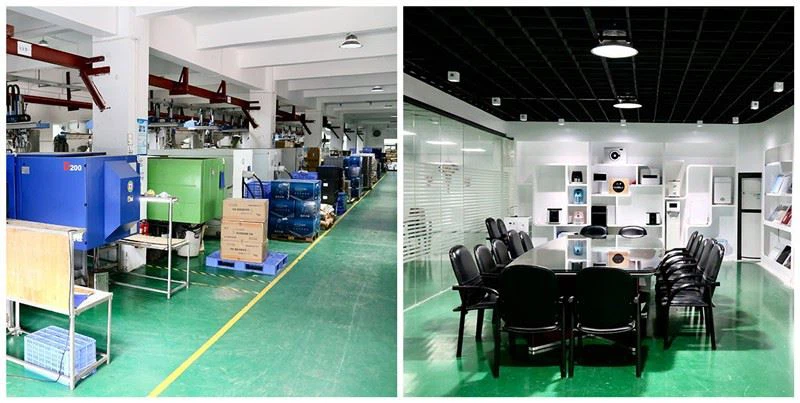
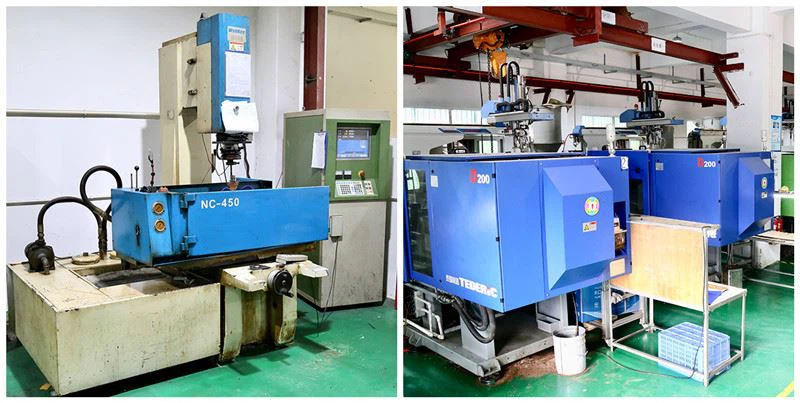
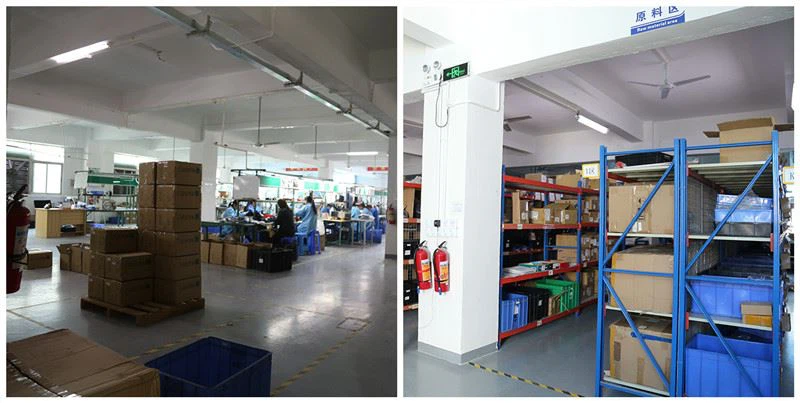
As the premier injection moulding company,we are experts in the design and manufacture of precision injection mould tooling and molded customized plastic parts. Providing solutions right from initial design and development through to manufacture for new product. Powerfulsky Mould was established in 2001,located Shen Zhen,China,has its own factory of 9000 square meters,that offers precision injection molding and packaged in-house product from start to finish.

Certifications