Plastic Injection Mold
What is Plastic Injection Mold
Plastic injection molds are an essential part of the plastic injection molding machines. They can be made in any shape and size and can accommodate multiple cavities to increase the number of pieces made per cycle.


Benefits of Plastic Injection Mold
Abrasion resistance
When the blank is plastically deformed in the mold cavity, it flows and slides along the surface of the cavity, causing severe friction between the surface of the cavity and the blank, which causes the mold to fail due to wear. Therefore, the wear resistance of injection molding materials is one of the most basic and important properties of the mold.
Toughness
Most of the working conditions of the mold are very harsh, and some often bear large impact loads, which results in brittle fracture. In order to prevent the mold parts from being suddenly brittle during work, the injection mold must have high strength and toughness.
Fatigue fracture performance
During the work of the mold, under the long-term effect of cyclic stress, it often causes fatigue fracture. Its forms are small energy multiple impact fatigue fracture, tensile fatigue fracture contact fatigue fracture and bending fatigue fracture.
High temperature performance
When the working temperature of the mold is higher, the hardness and strength will be reduced, leading to early wear of the mold or plastic deformation and failure. Therefore, the plastic injection mold processing material should have high resistance to tempering to ensure that the mold has higher hardness and strength at the working temperature.
Cold and hot fatigue resistance
Some molds in the injection molding process are repeatedly heated and cooled during the working process, which causes the surface of the cavity to be stretched and pressure to change the stress, causing surface cracking and peeling, increasing friction, hindering plastic deformation, and reducing dimensional accuracy. As a result, the mold fails. Hot and cold fatigue is one of the main forms of failure of hot work molds, and this type of mold should have high cold and hot fatigue resistance.
Corrosion resistance
Processing of plastic injection molds Some molds, such as plastic molds, at work, due to the presence of chlorine, fluorine and other elements in the plastic, are heated to analyze and analyze HCI, HF and other highly aggressive gases, which erode the surface of the mold cavity and increase its surface roughness Increased wear failure.
Why Choose Us
Competitive price
We offer our products at competitive prices making them affordable to our customers. We believe high-quality products should not come at a premium, and we strive to make our products accessible to everyone.
Experience
Having a long-standing reputation within the industry sets it apart from its competitors. With years of experience, they have developed the skills needed to meet their client's needs.
Quality assurance
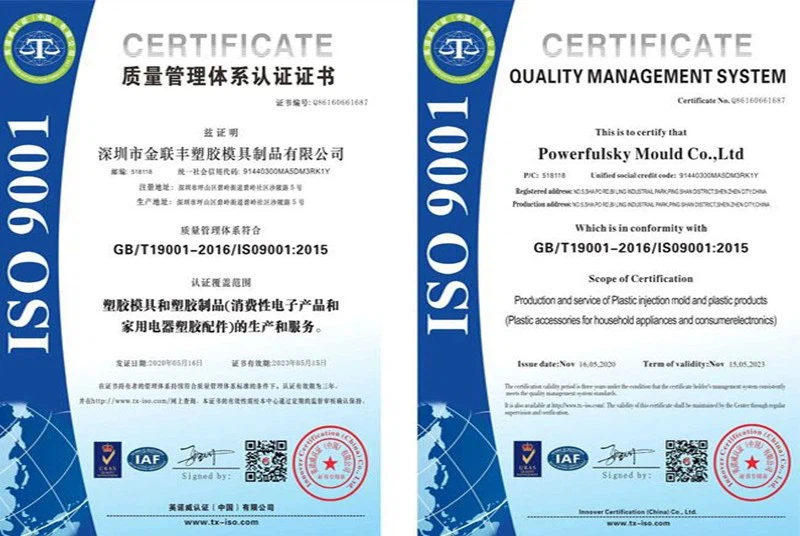
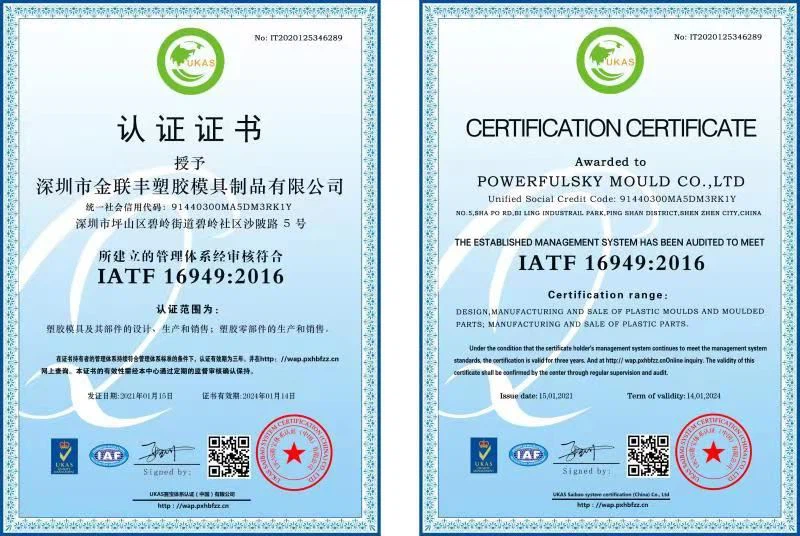
In terms of quality assurance, the company strictly follows the standards and specifications of the industry quality system. Use industry-leading testing equipment to ensure product quality and good reputation.
High quality product
We always put the needs and expectations of our customers first, strive for excellence, continue to improve, seek every opportunity to do better, provide customers with the high-quality products they expect, and provide customers with the most satisfactory services at any time.
Advanced equipment
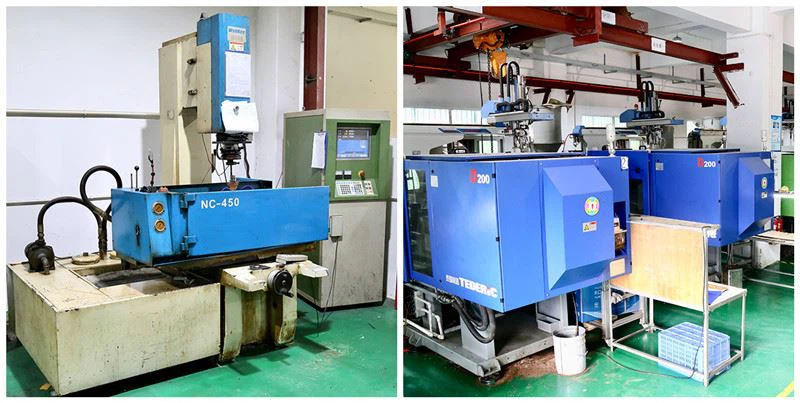
We take strong measures to ensure that we use the highest quality equipment in the industry and that our equipment is regularly and meticulously maintained.
Professional team
We have a team of highly skilled and experienced professionals who are well-versed in the latest technologies and industry standards. Our team is dedicated to ensuring our customers receive the best service and support.
Basic Fundamentals of Injection Mold Designing
Part Design Considerations
Injection mold design begins with the part requirements. Designers carefully analyze the part geometry, dimensional tolerances, and surface finishes to determine the best approach for creating the mold. The part geometry should be under the confines of the machine clamp to ensure it is moldable, and the draft angles must be correct to enable easy ejection of the part.
Material Selection
Material selection is a crucial aspect of injection mold design. The material properties, such as viscosity and thermal conductivity, impact the mold design, such as cooling channels, mold temperature, and injection pressure. Designers must consider the melting point, shrinkage, and warpage characteristics of the material to develop an effective mold design.
Gate Design
The gate design is crucial for the successful production of an injection molded part. The gate is the point where the molten plastic enters the mold cavity and sets the stage for the filling process. The gate size needs to be appropriate based on the product type, material properties, and injection pressure, and its location should be optimized for ease of removal.
Mold Design
Mold design includes elements such as the number of cavities, runners, cooling systems, parting line determination, and ejection. These elements contribute significantly to the quality and efficiency of the injection molding process. The balance of filling, packing pressure, and cooling are crucial elements that need consideration while designing the mold.
Design for Manufacturing
Designers must consider the manufacturing process in the mold design process. Features such as undercuts, threads, and snap-fits can be challenging to produce unless they are carefully designed and implemented. Including part-specific projections, chamfers, ribs, and alignment features in the mold can ease the production and improve the performance of the component.
Documentation
Injection mold design should not stop with the creation of the mold. Comprehensive documentation, including 2D/3D drawings, bill of materials, maintenance and repair guidelines, and safety procedures, is crucial for ensuring efficient communication and easy navigation of the mold's life cycle. Regular updates to the documentation ensure it remains accurate and up-to-date.
Common Materials Used For Injection Molds
Steel
The most widely used materials in injection molds are high-quality cold work mold steel, hot work mold steel, and alloy tool steel. They have high hardness, good machinability, and features such as wear resistance and impact resistance, making them suitable for the production of large quantities of products.
Aluminum alloy
Compared to steel, aluminum alloy injection molds have lower costs, lighter weight, and good thermal conductivity. They are suitable for small-scale production, rapid mold development, and prototype molds. However, aluminum alloy has relatively lower hardness and is prone to damage.
Copper
Copper has a longer service life than steel, good corrosion resistance, and is suitable for processing products with high precision requirements.
Titanium alloy
Titanium alloy has very high strength, hardness, and wear resistance, as well as good corrosion resistance and thermal conductivity. It has significant advantages in producing high-precision, large-scale products.
Ceramic materials
Ceramic injection molds have extremely high hardness, high temperature resistance, deformation resistance, corrosion resistance, and long service life. They are suitable for the production of products resistant to high temperatures and ultra-high pressure.
The Eight Types Of Injection Molds
Single Parting Surface Injection Mold
When the mold opens, the movable and fixed molds separate, allowing for the removal of the plastic part. This mold is a single parting surface mold, also known as a two-plate mold. It' s the simplest and most basic form in injection molding, adaptable as a single cavity or multi-cavity mold, making it the most widely used type.
Double Parting Surface Injection Mold
The double parting surface injection mold features two parting surfaces. Compared to the single parting surface mold, this type adds a movable middle plate (also known as an active gate plate with gates, runners, and other necessary components) to the fixed mold section, hence also called a three-plate mold (movable mold plate, middle plate, fixed mold plate). We often use it for single or multi-cavity molds with point gate feeding. During mold opening, the middle plate separates a fixed distance from the fixed mold plate on guide pillars. This separation allows for the removal of the runner system.
Injection Mold With Lateral Parting And Slider
For plastic parts with side holes or undercuts, a laterally slider is used for molding. After injection molding, the core first moves downward. Then, the oblique section of the pin fixed on the cavity plate forces the slider to move outward. Simultaneously, the demolding mechanism' s push rod pushes the push plate to eject the plastic part from the core.
Injection Mold With Movable Molding Components
Some plastic parts have special structures requiring movable molding components in the injection mold, such as movable core, movable cavity, movable inserts, movable threaded cores, or rings. These components move out of the mold with the plastic part during demolding and then separate from the part.
Automatic Thread Unloading Injection Mold
For threaded plastic parts requiring automatic demolding, the mold can be equipped with a rotatable threaded core or ring. Utilizing the mold opening action, the injection molding machine' s rotating mechanism, or a dedicated transmission device, the threaded core or ring rotates to release the plastic part.
Hot Runner Injection Mold
A hot runner mold uses an insulating heating method to keep the plastic between the injection molding machine' s nozzle and the mold cavity in a molten state, eliminating the need for a runner system in the mold. This type includes insulated runner molds and hot runner molds.
Right Angle Injection Mold
The right angle injection mold is exclusively for angle injection molding machines. Unlike other molds, the feeding direction during molding is perpendicular to the mold opening and mold closing direction. Its main runner is located on the sides of the mold core and mold cavity parting surfaces, usually with a constant cross-sectional area, differing from molds used in other injection machines. To prevent wear and deformation between the injection machine' s nozzle and the main runner inlet, a replaceable runner insert can be used.
Injection Mold With Demolding Mechanism On The Mold Cavity
In most injection molds, manufacturers install the demolding device on the mold core side to facilitate the ejection system in the injection molding machine. However, in practice, due to the shape of some plastic parts, it' s better to keep the part on the mold cavity side for molding. To demold the part from the mold, we must set up a demolding mechanism on the mold cavity side.
Material Cost
Injection moulds are subject to thousands of pounds of pressure every cycle and high levels of heat. As such, the moulds need to be made from strong, durable materials that can withstand the harsh operating conditions without deforming. These moulds are often made from different grades of steel or aluminium.
Mould Construction
Various complex elements are made and assembled together using a range of manual and automated processes to form the injection mould or mould tool to guarantee a reliable and repeatable injection moulding process. These components are shaped to tight tolerances using specialist machinery, including CNC machining and EDM (electrical discharge machining), which significantly adds to the cost.
Mould Complexity & Aesthetics
Several mould design decisions, such as side pull actions, number of cavities, texturing, multi-material shots, tight tolerances, engraving, undercut features, inserts, etc. will also significantly add to tooling costs. While costly, these design decisions may be a necessity or beneficial in the later stages of the process.
Labour Costs
Don' t forget to factor in labour costs. Designing, creating and assembling injection moulds is a labour-intensive and complex process that takes time and skill to do correctly. Injection mould builders and designers are highly trained specialists that don' t come cheap. If you cheap out on this, you might have to pay for the costs later on.

How to Maintain and Care for Plastic Injection Molds
Cleaning
Regularly clean the mold surfaces to remove any residual plastic, dirt, or other contaminants. Use appropriate cleaning agents and tools to prevent damage to the mold surface.
Lubrication
Apply a suitable mold release agent or lubricant to the mold surfaces. This helps in preventing friction, reducing wear and tear, and facilitating the ejection of molded parts.
Inspect for Wear and Damage
Regularly inspect the mold for signs of wear, damage, or corrosion. Pay attention to areas that experience high stress, such as ejector pins, slides, and the gate area. Any worn or damaged components should be repaired or replaced promptly.
Check Alignment
Ensure that all mold components are properly aligned. Misalignment can lead to uneven wear, poor part quality, and increased stress on the mold. Adjust or replace components as necessary.
Maintain Cooling Channels
Keep cooling channels clean and free from obstructions to ensure efficient heat dissipation. Regularly flush the cooling system with a suitable cleaner to prevent the build-up of deposits that can reduce cooling efficiency.
Monitor and Control Temperature
Maintain consistent mold temperatures during the injection molding process. Fluctuations in temperature can affect part quality and lead to stress on the mold. Use appropriate temperature control equipment.
Inspect and Replace Seals
Check all seals and gaskets regularly for wear or damage. Damaged seals can lead to leaks, affecting the molding process and product quality. Replace any worn or damaged seals promptly.
Store Properly
When not in use, store the mold in a clean and dry environment. Protect it from dust, moisture, and any potential sources of damage. Consider using rust inhibitors to prevent corrosion.
Our Factory
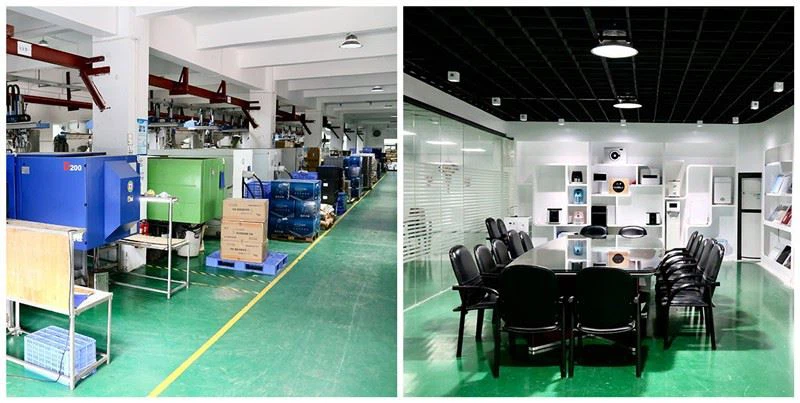
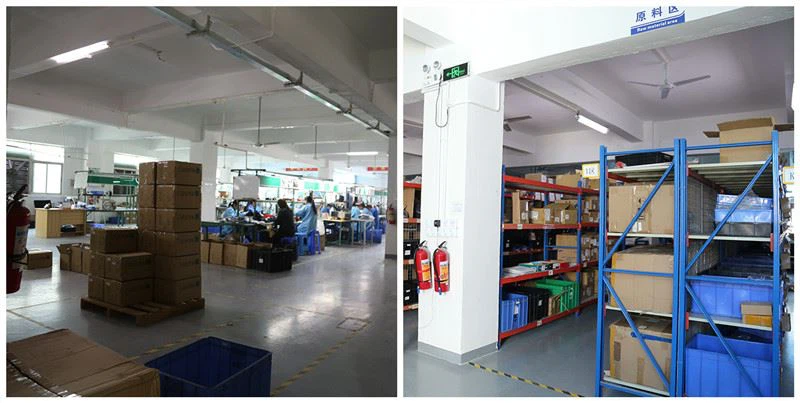
As the premier injection moulding company,we are experts in the design and manufacture of precision injection mould tooling and molded customized plastic parts. Providing solutions right from initial design and development through to manufacture for new product. Powerfulsky Mould was established in 2001,located Shen Zhen,China,has its own factory of 9000 square meters,that offers precision injection molding and packaged in-house product from start to finish.

Certifications