

Designing an injection mould for cosmetic packaging is a meticulous process that requires a blend of technical expertise, creativity, and an understanding of the cosmetic industry's unique requirements. As an Injection Mould Design supplier, we have been at the forefront of crafting high - quality moulds for various cosmetic packaging applications. In this blog, we will delve into the key steps and considerations involved in designing an injection mould for cosmetic packaging.
Understanding the Cosmetic Packaging Requirements
The first and most crucial step in the design process is to understand the specific requirements of the cosmetic product and its packaging. Cosmetic products come in a wide range of forms, including creams, lotions, powders, and liquids. Each type of product may require a different type of packaging, such as jars, bottles, tubes, or compacts.
We need to consider factors like the size and shape of the container, the type of closure mechanism, and any branding or labeling requirements. For example, if the cosmetic is a high - end perfume, the packaging might need to have an elegant and sophisticated design, with precise details and smooth surfaces. On the other hand, a mass - market skincare product may require a more cost - effective and practical packaging solution.
Material Selection
The choice of material for both the cosmetic packaging and the injection mould is vital. For the packaging, common materials include plastics such as polypropylene (PP), polyethylene (PE), and polyethylene terephthalate (PET). These materials offer different properties, such as transparency, flexibility, and chemical resistance.
When it comes to the injection mould, the material selection depends on factors like the expected production volume, the complexity of the part, and the type of plastic being moulded. Steel is a popular choice for high - volume production due to its durability and ability to withstand the high pressures and temperatures involved in the injection moulding process. Aluminum, on the other hand, is often used for low - volume production or prototyping because it is lighter and less expensive.
Designing the Part Geometry
The part geometry of the cosmetic packaging is a critical aspect of the injection mould design. It should not only meet the functional requirements but also be aesthetically pleasing. We use advanced 3D modeling software to create a detailed digital model of the packaging part. This allows us to visualize the design from all angles and make necessary adjustments before manufacturing the mould.
Some important considerations in part geometry design include draft angles, wall thickness, and ribbing. Draft angles are essential to ensure easy ejection of the part from the mould. A minimum draft angle of 1 - 2 degrees is typically recommended, depending on the plastic material and the complexity of the part. Wall thickness should be uniform to prevent issues like warping and sink marks. Uneven wall thickness can cause differential cooling rates, leading to internal stresses and defects in the final product. Ribbing can be added to enhance the structural integrity of the part without significantly increasing its weight.
Gate Design
The gate is the point through which the molten plastic enters the mould cavity. The design of the gate has a significant impact on the quality of the final product. There are several types of gates, including sprue gates, edge gates, pin gates, and submarine gates.
Sprue gates are the simplest type and are often used for large parts or parts with a single cavity. Edge gates are suitable for parts with a flat surface and are easy to trim. Pin gates are small and leave a minimal mark on the part, making them ideal for cosmetic packaging where appearance is crucial. Submarine gates are hidden inside the mould and are used when a clean part surface is required.
Cooling System Design
An efficient cooling system is essential for ensuring uniform cooling of the plastic part in the mould. Proper cooling reduces cycle time, improves part quality, and increases the production efficiency. We design the cooling channels in the mould based on the part geometry and the heat transfer requirements.
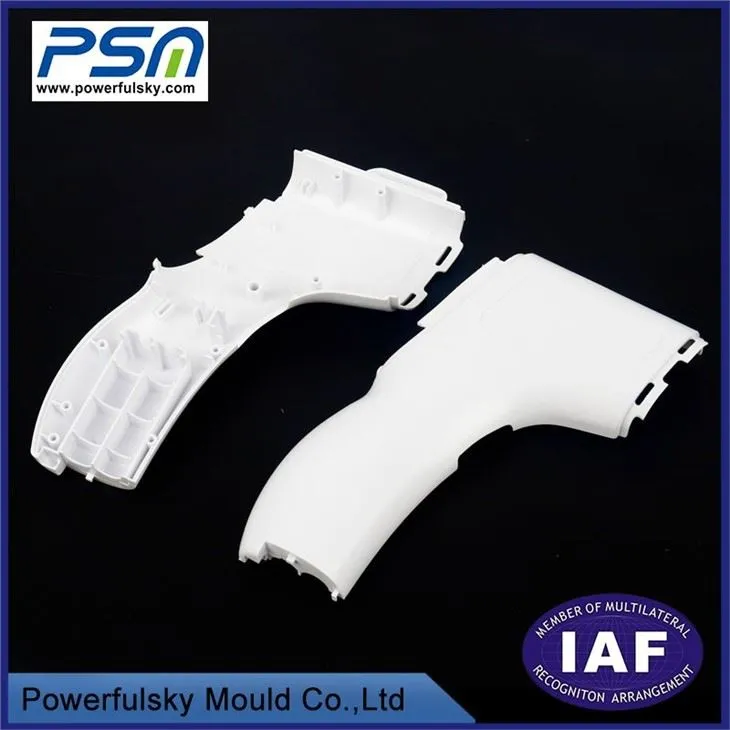

The cooling channels should be placed as close to the mould cavity as possible without compromising the structural integrity of the mould. They should also have a uniform cross - section and a proper flow rate to ensure consistent cooling. In some cases, we may use advanced cooling techniques such as conformal cooling, which uses 3D printing technology to create cooling channels that follow the shape of the part more closely.
Mold Flow Analysis
Before manufacturing the injection mould, we conduct mold flow analysis using specialized software. This analysis simulates the flow of molten plastic through the mould cavity, predicting potential issues such as air traps, weld lines, and uneven filling.
By analyzing the mold flow results, we can optimize the gate location, runner system, and cooling system design. This helps us to avoid costly rework and ensure that the final product meets the quality standards. For example, if the mold flow analysis shows that there is a risk of air traps in a particular area of the part, we can adjust the gate location or add vents to the mould.
Tooling and Manufacturing
Once the design is finalized and approved, we proceed with the tooling and manufacturing of the injection mould. Our state - of - the - art manufacturing facilities are equipped with advanced CNC machining centers, wire EDM machines, and surface finishing equipment.
The manufacturing process involves several steps, including rough machining, finishing, heat treatment, and surface treatment. Each step is carefully controlled to ensure the accuracy and quality of the mould. After the mould is manufactured, it undergoes a series of tests and inspections to ensure that it meets the design specifications.
Quality Control
Quality control is an integral part of our injection mould design and manufacturing process. We have a comprehensive quality control system in place to ensure that every mould we produce meets the highest standards.
We use precision measuring instruments such as coordinate measuring machines (CMM) to check the dimensional accuracy of the mould. Non - destructive testing methods such as ultrasonic testing and magnetic particle testing are used to detect any internal defects in the mould. We also conduct trial runs on the injection moulding machine to test the quality of the parts produced.
Case Studies
To illustrate our expertise in designing injection moulds for cosmetic packaging, let's take a look at some of our successful projects.
One of our clients was a cosmetic company that needed a new packaging design for their line of lipsticks. We worked closely with their design team to understand their requirements and developed a custom - designed injection mould for the lipstick cases. The mould was made of high - quality steel and featured a complex part geometry with precise details. We used pin gates to ensure a clean and aesthetically pleasing finish on the cases. After the mould was manufactured, it was tested on our injection moulding machines, and the final products met the client's expectations in terms of quality and appearance.
Another project involved designing an injection mould for a plastic jar for a skincare product. We used mold flow analysis to optimize the gate location and cooling system design. The result was a high - quality jar with uniform wall thickness and no visible defects. The production cycle time was also significantly reduced, which increased the client's production efficiency.
Related Products
If you are interested in other injection moulding products, we also offer a wide range of solutions. For example, we have designed Hair Dryer Plastic Injection Molding Cover Parts for the consumer electronics industry. These parts require high precision and excellent surface finish. We also have experience in designing Plastic Injection Mold For Air Conditioning Filter Screen, which need to have good structural integrity and air permeability. Additionally, our New Plastic Parts Design for Injection Mold service can help you develop innovative plastic parts for various applications.
Conclusion
Designing an injection mould for cosmetic packaging is a complex but rewarding process. By understanding the specific requirements of the cosmetic industry, selecting the right materials, and using advanced design and manufacturing techniques, we can create high - quality injection moulds that meet the needs of our clients.
If you are in the cosmetic industry and are looking for a reliable Injection Mould Design supplier, we would be delighted to discuss your project with you. Our team of experts has the knowledge and experience to provide you with the best solutions for your injection moulding needs. Contact us today to start the conversation and take your cosmetic packaging to the next level.
References
- "Injection Molding Handbook" by O. Oscar Ossa
- "Plastic Materials and Processing" by Joseph F. Whelan
- Industry whitepapers on cosmetic packaging design and injection moulding technology.
