

The thermal expansion coefficient is a critical factor that significantly influences the performance of hot runner molds. As a leading hot runner mold supplier, we've witnessed firsthand how this seemingly technical aspect can make or break the efficiency and quality of the molding process. In this blog, we'll delve into the ways the thermal expansion coefficient affects hot runner mold performance and why it matters for your projects.
Understanding the Thermal Expansion Coefficient
Before we explore its impact on hot runner molds, let's briefly understand what the thermal expansion coefficient is. It's a measure of how much a material expands or contracts when its temperature changes. Different materials have different thermal expansion coefficients. For instance, metals generally have higher coefficients compared to some plastics. This property is crucial because hot runner molds operate under varying temperatures during the injection molding process.
Effects on Dimension Accuracy
One of the most immediate effects of the thermal expansion coefficient on hot runner mold performance is on dimension accuracy. During the injection molding process, the mold experiences a significant increase in temperature as the molten plastic is injected. If the materials used in the hot runner system have a high thermal expansion coefficient, they will expand considerably. This expansion can lead to dimensional changes in the mold cavity and the hot runner channels.
For example, in the production of a PC LID Hot Runner Mold, precise dimensions are crucial for a proper fit and functionality. If the thermal expansion of the mold components is not properly accounted for, the final product may have dimensional inaccuracies, such as warping or improper alignment. This can result in product rejection, increased production costs, and delays in delivery.
Impact on Flow Balance
The thermal expansion coefficient also affects the flow balance within the hot runner system. The hot runner channels are designed to distribute the molten plastic evenly to all cavities of the mold. However, if the channels expand or contract due to temperature changes, the flow resistance can vary. A material with a high thermal expansion coefficient may cause the channels to expand unevenly, leading to differences in flow rates between different cavities.
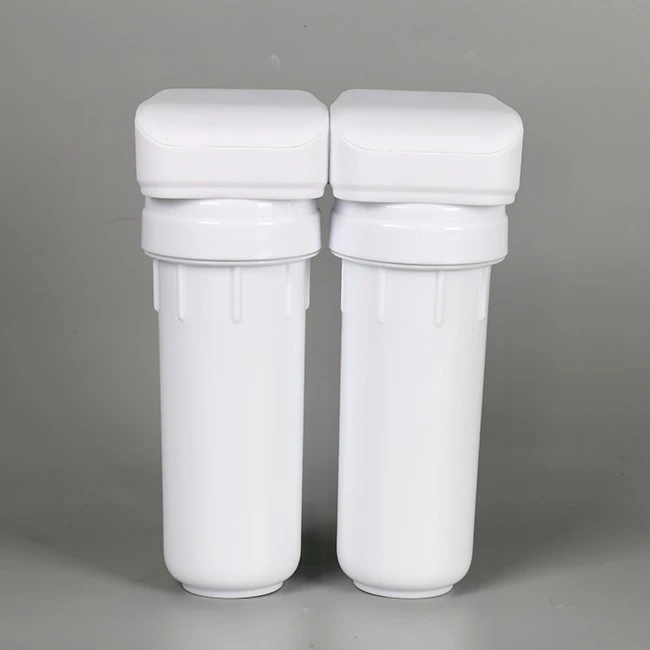
In the case of a Water Purifier Hot Runner Injection Mould, uneven flow can result in inconsistent filling of the cavities. This can lead to variations in the quality of the final products, such as differences in wall thickness, density, and mechanical properties. To ensure a consistent flow balance, it's essential to select materials with appropriate thermal expansion coefficients and design the hot runner system to compensate for thermal expansion.
Influence on Sealing Performance
Sealing is another critical aspect of hot runner mold performance, and the thermal expansion coefficient plays a significant role. The hot runner system relies on seals to prevent the leakage of molten plastic. If the materials of the seals and the surrounding components have different thermal expansion coefficients, it can lead to seal failure.
When the mold heats up, a large difference in thermal expansion can cause the seals to lose their effectiveness. This can result in plastic leakage, which not only wastes material but also can damage the mold and the surrounding equipment. In the production of a Infrared Digital Thermometer Injection Mould, where precision and cleanliness are essential, any plastic leakage can contaminate the product and render it defective.
Considerations for Material Selection
As a hot runner mold supplier, we understand the importance of material selection in minimizing the negative effects of the thermal expansion coefficient. When choosing materials for the hot runner system, we consider factors such as the operating temperature range, the required dimensional accuracy, and the compatibility with the plastic resin being used.
For high - precision applications, we may select materials with low thermal expansion coefficients, such as some special alloys or ceramics. These materials can maintain their dimensions more accurately under temperature changes, reducing the risk of dimensional inaccuracies and flow imbalances. Additionally, we ensure that the materials used for seals have similar thermal expansion characteristics to the surrounding components to maintain a reliable seal.

Thermal Management Strategies
In addition to material selection, effective thermal management is crucial for optimizing hot runner mold performance. We implement various strategies to control the temperature within the mold and minimize the effects of thermal expansion.
One approach is to use a well - designed heating and cooling system. By precisely controlling the temperature of the hot runner system, we can reduce the magnitude of temperature fluctuations and thus minimize the expansion and contraction of the materials. We also use insulation materials to reduce heat transfer to the surrounding environment, which helps maintain a more stable temperature within the mold.
Another strategy is to conduct thermal simulations during the mold design phase. These simulations allow us to predict the thermal behavior of the mold and the hot runner system under different operating conditions. Based on the simulation results, we can make adjustments to the design, such as modifying the channel dimensions or adding additional heating or cooling elements, to ensure optimal performance.
Conclusion
The thermal expansion coefficient has a profound impact on hot runner mold performance, affecting dimension accuracy, flow balance, and sealing performance. As a hot runner mold supplier, we are committed to providing high - quality molds that meet the strict requirements of our customers. By carefully selecting materials, implementing effective thermal management strategies, and using advanced design techniques, we can minimize the negative effects of thermal expansion and ensure the production of high - quality molded products.
If you're in the market for a hot runner mold for your next project, we invite you to contact us for a consultation. Our team of experts will work closely with you to understand your specific requirements and provide you with a customized solution that maximizes the performance of your hot runner mold.
References
- "Injection Molding Handbook" by O. Olszewski
- "Thermal Properties of Engineering Materials" by J. W. Lord


